- Abrasives and Accessories
- Adhesives, Sealants and Accessories
- Cleaning Supplies and Equipment
- Drill Bits and Accessories
- Electrical Items
- Hardware and Fasteners
- Health and Safety
- Lubricants and Penetrants
- Manufacturers
- Masking Products
- Office Supplies
- Packaging and Shipping
- Paint Application Products
- Painting Equipment and Supplies
- Polishing and Buffing
- Roto Mold Fasteners
- Tapes, Films and Accessories
Mandrels, Expanders, and Slotted Wheels: Choosing the Right Mounting Method
May 26, 2026
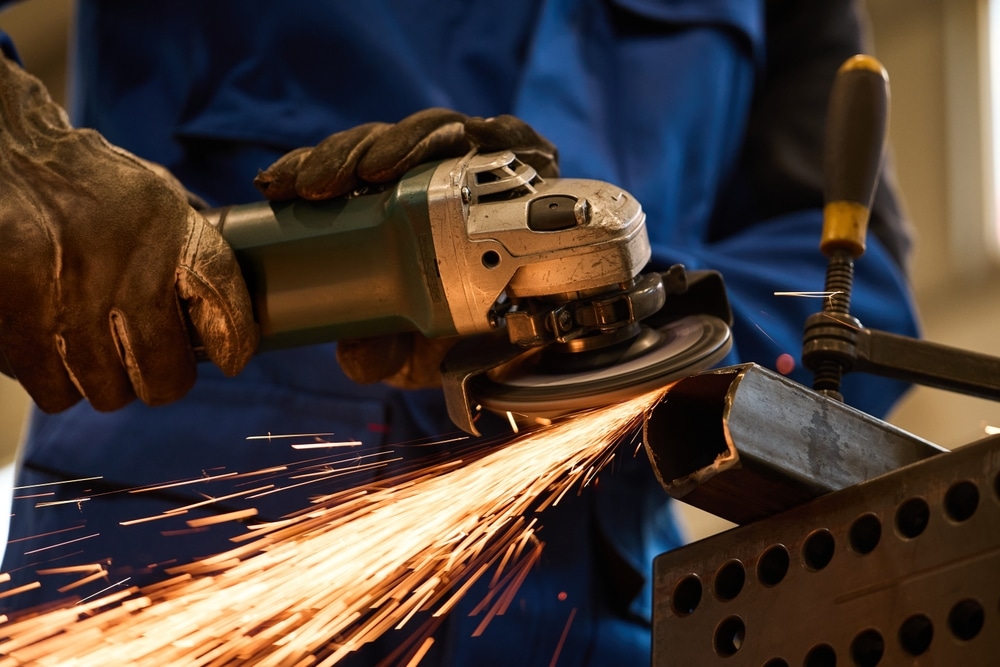
An abrasive finishing wheel can only perform as well as the mounting method behind it. Are you using the right setup for the material, geometry, and surface finish you need to achieve?
In industrial finishing applications, abrasive wheel selection often gets most of the attention. The mounting hardware becomes an afterthought, even though it directly affects finish consistency, wheel wear, operator control, and overall efficiency.
Shops using non-woven and surface conditioning wheels across fabrication, aerospace, automotive, and general manufacturing environments know that the mounting method plays a major role in finishing performance.
Choosing between mandrels, expander wheels, and slotted wheels depends on several factors, including:
- Part geometry
- Access requirements
- Material type
- Wheel configuration
- Desired surface finish
Here’s where each mounting method performs best and how to determine the right fit for your application.
Mandrels: Precision and Controlled Finishing
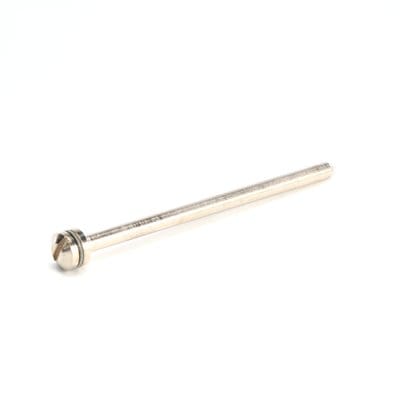
Mandrels, like the 3M™ Bristle Disc Mandrel, are commonly used when mounted wheels need to remain stable and controlled during operation. They secure the wheel directly to the tool while maintaining consistent rotation and contact pressure.
This setup works well for detail-oriented finishing applications where precision matters more than broad surface coverage. Smaller wheels mounted on mandrels are especially effective in tight spaces, inside corners, and intricate geometries where larger systems cannot reach efficiently.
Common applications include:
- Deburring machined edges
- Cleaning weld seams
- Finishing small fabricated parts
- Refining interior surfaces
- Surface blending in confined areas
Mandrels also help maintain wheel alignment during extended use, which becomes important when repeatable finishes are required across production runs.
Expander Wheels: Flexible Support for Abrasive Bands and Sleeves
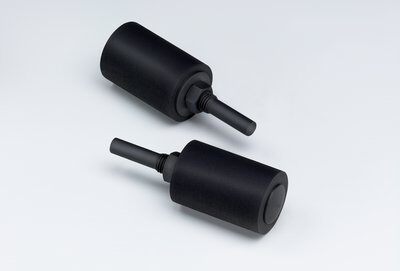
Expander wheels, such as the 3M™ Rubber Cushion Polishing Wheel, operate differently from rigid-mounted systems. Instead of attaching the abrasive directly to the wheel, the wheel expands outward to hold abrasive bands or sleeves securely in place during operation.
This design allows the abrasive to conform more naturally to curved or irregular surfaces. The wheel compresses slightly during use, creating more consistent contact across varying geometries.
Expander wheels are commonly selected for applications involving:
- Contoured metal surfaces
- Rounded edges
- Tubing and pipe finishing
- Decorative finishing work
- Blending operations on formed components
The ability to quickly change abrasive bands also gives operators more flexibility when moving between different finish requirements or grit sequences.
Slotted Wheels: Aggressive Finishing With Conformability
Slotted wheels, such as the 3M™ Rubber Slotted Expander Wheel, provide a balance between flexibility and aggressive material contact. Their slotted construction allows the wheel to adapt to contours while maintaining a larger contact area than many mounted wheel configurations
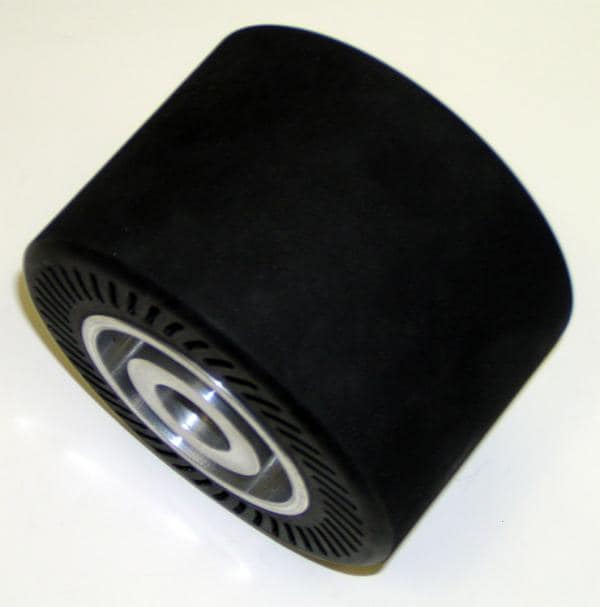
These wheels are often used in applications requiring:
- Surface blending on larger parts
- Removal of surface imperfections
- Cleaning and finishing uneven surfaces
- Consistent finishing on curved workpieces
- Intermediate finishing between grinding and final polishing
Because slotted wheels can maintain surface contact across wider areas, they are often effective for improving finish uniformity while still supporting efficient material removal.
Material Type Should Influence Your Mounting Choice
Different metals respond differently during finishing. Heat buildup, loading behavior, and surface sensitivity all affect abrasive performance and mounting requirements.
Mandrels for Harder Materials and Controlled Pressure
For harder metals such as stainless steel, stability often becomes the priority. A mandrel-mounted wheel provides more controlled contact and helps maintain finish consistency across the surface.
This setup is especially beneficial when precise pressure and localized finishing are required.
Expander Wheels for Softer or Thin Materials
Softer materials such as aluminum, brass, and other non-ferrous metals often benefit from the flexibility of expander wheel systems. When the abrasive setup is too rigid, softer materials may show excessive marking or uneven finishing patterns.
A more conformable mounting method helps reduce that risk while maintaining smoother surface transitions.
Material thickness also matters. Thin materials generally require more controlled pressure to avoid distortion or unwanted surface changes during finishing operations.
Surface Finish Requirements Help Determine the Best Setup
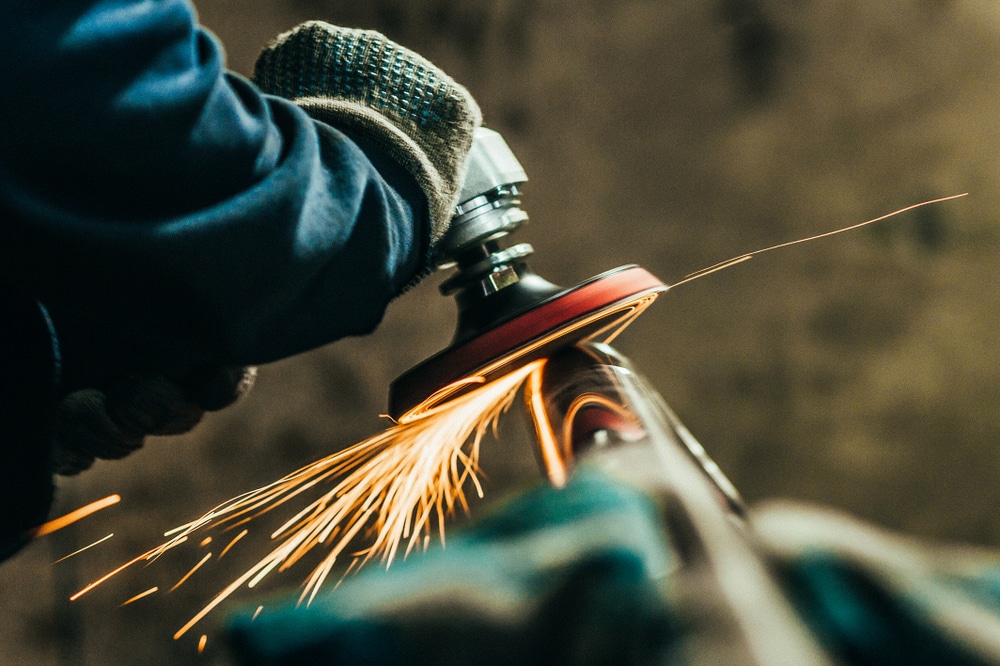
Finish expectations should guide mounting method selection from the beginning of the process.
If the goal is aggressive cleaning, deburring, or defect removal, a firmer mounting system may provide the control needed for faster material removal. Mandrels typically support more focused contact pressure, which can improve cutting efficiency in localized areas.
For satin, brushed, or blended finishes, flexibility becomes more important. Expander and slotted wheel systems allow the abrasive to follow the surface more naturally, helping create smoother transitions and more uniform cosmetic finishes.
Questions To Ask Before Choosing a Mounting Method
Before selecting a finishing setup, it helps to clearly define the application requirements.
Consider the following:
- Is the goal material removal or surface refinement?
- Does the finish need to match surrounding surfaces?
- Are you working on flat, curved, or irregular geometry?
- Will operators need flexibility across multiple part types?
- Is access limited or confined?
- How important is finish consistency across production runs?
Answering these questions early can help prevent premature wheel wear, inconsistent finishes, and unnecessary process adjustments later.
Wheel Size and Access Requirements Matter
Access limitations can affect finishing quality just as much as abrasive selection.
Mandrels are often preferred when working in confined or hard-to-reach areas. Mounted wheels can access narrow openings and tighter internal spaces where larger wheel assemblies would struggle.
Expander and slotted wheel systems generally support broader contact areas and larger finishing passes, making them better suited for open surfaces where efficiency and finish blending are priorities.
Part geometry should always be evaluated before selecting a mounting setup. An oversized wheel or overly rigid system can create uneven pressure points that affect finish consistency.
Proper Mounting Improves Wheel Life and Finish Consistency
Using the wrong mounting method can shorten abrasive life and reduce finish quality.
When wheels are improperly supported or mounted incorrectly, vibration increases. Uneven pressure follows, which can lead to:
- Premature wheel wear
- Inconsistent surface finishes
- Reduced operator control
- Increased operator fatigue
- Lower overall process efficiency
Proper mounting helps support stable wheel rotation, even abrasive wear, and repeatable finishing performance.
In production environments, those factors directly affect throughput, consumable usage, and operating costs.
Find the Right Finishing Wheel and Mounting Setup
Surface conditioning systems perform best when the abrasive and mounting methods work together.
We carry a range of industrial finishing products, including non-woven wheels, expander wheels, mandrels, slotted wheels, and surface conditioning solutions designed for blending, deburring, cleaning, and finishing applications.
Contact us for a free quote if you are evaluating mounting options for your operation.