- Abrasives and Accessories
- Adhesives, Sealants and Accessories
- Cleaning Supplies and Equipment
- Drill Bits and Accessories
- Electrical Items
- Hardware and Fasteners
- Health and Safety
- Lubricants and Penetrants
- Manufacturers
- Masking Products
- Office Supplies
- Packaging and Shipping
- Paint Application Products
- Painting Equipment and Supplies
- Polishing and Buffing
- Roto Mold Fasteners
- Tapes, Films and Accessories
The Art of Polishing: Techniques for Different Materials
September 26, 2024
When a surface finish affects quality, performance, or inspection results, polishing becomes much more than the final step. In manufacturing and industrial environments, surface finish directly affects coating adhesion, dimensional accuracy, part performance, and in some cases, compliance with industry standards. The wrong abrasive or technique can mean scrapped parts, rework, or a surface that fails inspection.
This guide covers polishing best practices by substrate type, with specific guidance on grit progressions, process parameters, and common failure modes to avoid. Whether you’re finishing stainless steel for a regulated environment, preparing aluminum for anodizing, or achieving a paint-ready surface on automotive panels, the details here will help you standardize a process or troubleshoot one that isn’t performing.
Metal Polishing Techniques
Polishing metal is a multi-stage process that starts with scratch removal and ends with surface refinement. The key principles: start with the coarsest grit that your surface condition actually requires — not the finest — and never skip grits. Both errors are common sources of inconsistent results and unnecessary rework.
Grit Progression for Stainless Steel
- Brushed / satin finish: 150 → 240 → 320 → 400 grit
- Mirror finish: continue 600 → 800 → 1200 grit, then buff with compound
- RPM guidance: Target 4,000–6,500 RPM for stainless steel unless otherwise specified by the abrasive or tool manufacturer
Surface Preparation
Clean metal surfaces thoroughly before polishing to remove dust, grease, and other contaminants. Degreasing agents can help with heavily soiled metals. Start with sandpaper or abrasive pads at the appropriate grit to smooth out surface irregularities, then progress through finer grits sequentially.
Buffing Process
Apply a buffing compound designed for metal — tripoli or rouge are common choices, available in bars or pastes applied to a buffing wheel. Use a high-speed buffing wheel and move in overlapping, circular motions to prevent uneven polishing. Soft metals like aluminum can scratch easily, so lighter pressure during the buffing stage is critical.
Cross-Contamination: A Critical Risk in Multi-Material Operations
If your operation polishes both carbon steel and stainless steel, abrasive cross-contamination is a serious issue. Carbon steel particles embedded in a disc or belt that then contacts stainless can initiate localized corrosion — a documented failure mode in food processing and medical manufacturing. Maintain dedicated abrasive sets by material type and label them clearly. This is not optional in regulated environments.
Substrate-Specific Notes
- Aluminum: Prone to smearing and loading. Use lighter pressure, cooler abrasives, and lubricants where appropriate. Avoid dwelling in one spot — keep the tool moving.
- Stainless steel: Can work-harden if overheated. Keep the tool moving and avoid sustained pressure in one area.
- Aerospace / medical applications: Surface finish is often a defined spec requirement with a Ra (roughness average) target value. Confirm your Ra requirement before selecting abrasive grade. 3M Trizact™ abrasives deliver consistent, predictable scratch patterns that support finish traceability across production runs.
Wood Polishing Techniques
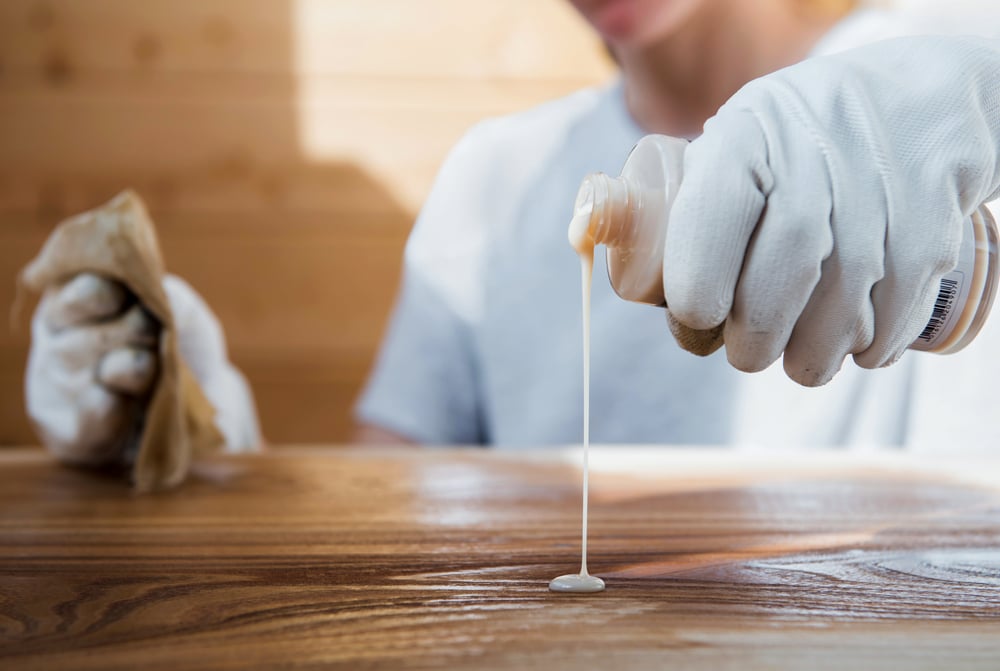
Polishing wood is common in both furniture production and interior finishing. The goal is to highlight the grain, protect the wood from environmental damage, and provide a smooth, glossy surface.
Surface Preparation
Begin by sanding the wood to smooth out any imperfections. Start with medium-grit sandpaper and move to a finer grit as you progress.
Apply Wood Polish or Oil
Depending on the desired finish, use either a polishing compound, oil, or wax. Oils like linseed or tung oil penetrate the wood’s surface, providing a deep, natural sheen, while wax creates a protective outer layer.
Buffing the Wood
After applying the polish, allow it to absorb, then use a clean, soft cloth or a buffing machine to buff the surface. This enhances the shine and ensures an even finish.
Stone Polishing Techniques
Stone polishing requires specialized tools and compounds matched to the hardness of the material.
Clean the Surface
As with other materials, cleaning the surface is crucial. Dirt and debris can lead to scratches or dullness during polishing.
Diamond Abrasive Pads
Use diamond-impregnated abrasive pads to sand and polish the stone. These pads are designed specifically for the hardness of stone materials and come in various grit levels.
Polishing Powder or Compound
Apply a stone-specific polishing powder or compound. These products are often mixed with water to form a paste and then applied to the stone with a low-speed polisher.
Buff and Seal
Buff the stone to a high gloss and apply a stone sealant for long-term protection against water, oil, and stains.
Industry-Specific Application Notes
- Food processing / sanitary environments: Smooth, crevice-free surface finishes are required for compliance. Avoid aggressive abrasives that leave deep scratch patterns where bacteria can harbor. Confirm cleaner and lubricant compatibility with your facility’s sanitation protocol after polishing.
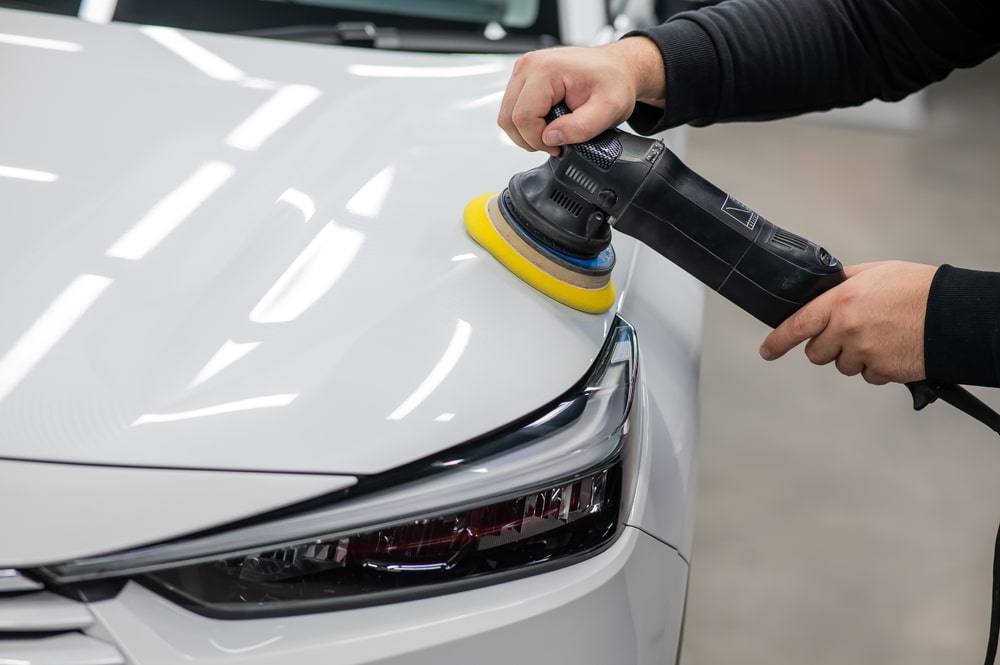
- Automotive refinishing: Final-stage polishing (1200+ grit, then compound and polish) must eliminate sanding scratches without introducing buffer swirl or burn-through. Match the foam or wool cutting pad to the compound type and paint system.
- Metal fabrication/weld finishing: Start at the coarsest grit needed to address the weld bead or heat discoloration, then progress through finer grits in sequence. Skipping grits in weld finishing is a common source of inconsistent results that require backtracking.
Frequently Asked Questions
What grit should I start with for stainless steel?
Start with the coarsest grit required by your surface condition, not the finest available. Weld marks or heavy scratches may require 80–120 grit to begin. For routine refinishing, 150–240 grit is the typical starting point. Progress sequentially through finer grits, skipping grits creates inconsistencies that require backtracking.
How do I prevent cross-contamination between carbon steel and stainless?
Use dedicated abrasive products for each metal and store them separately. Never use a disc or belt that has contacted carbon steel on stainless — embedded particles will initiate corrosion. Label your abrasive sets and enforce the separation protocol, especially in food processing or medical environments.
Does surface finish specification affect abrasive selection?
Yes, significantly. If your process requires a specific Ra value, your abrasive selection and grit progression must be validated to achieve it consistently. 3M Trizact™ abrasives offer pyramid-structure geometry that delivers reproducible scratch patterns — useful when finish traceability is required.
Can I use the same polishing process for aluminum and stainless steel?
No. Aluminum is softer, prone to smearing, and more sensitive to heat. Stainless requires more pressure but generates work-hardened surfaces if overheated. Always match abrasive type and process parameters to the specific substrate.
What’s the difference between a polishing compound and a polishing abrasive disc?
Abrasive discs are for scratch removal and surface conditioning across larger areas. Polishing compounds are pastes or liquids used with a buffing wheel or pad for final surface refinement to the target finish. Both are stage-specific — don’t use compound to remove deep scratches, and don’t use a coarse abrasive where only compound is needed.
Get the Right Abrasives for Your Application
Polishing is both a science and an art, requiring the right tools, techniques, and attention to detail. Whatever material you’re working with, following the proper techniques and using the right abrasive at each stage will help you achieve consistent, reliable results.
At JAM Industrial Supply, we carry a wide selection of 3M™ abrasives and polishing products for metal, wood, automotive, and industrial applications. Need technical documentation or product data sheets? As a 3M Strategic Distributor, we have direct access to specs, application guides, and specialist support. Call us at (330) 456-3000 or contact us through our website.